Wildlife
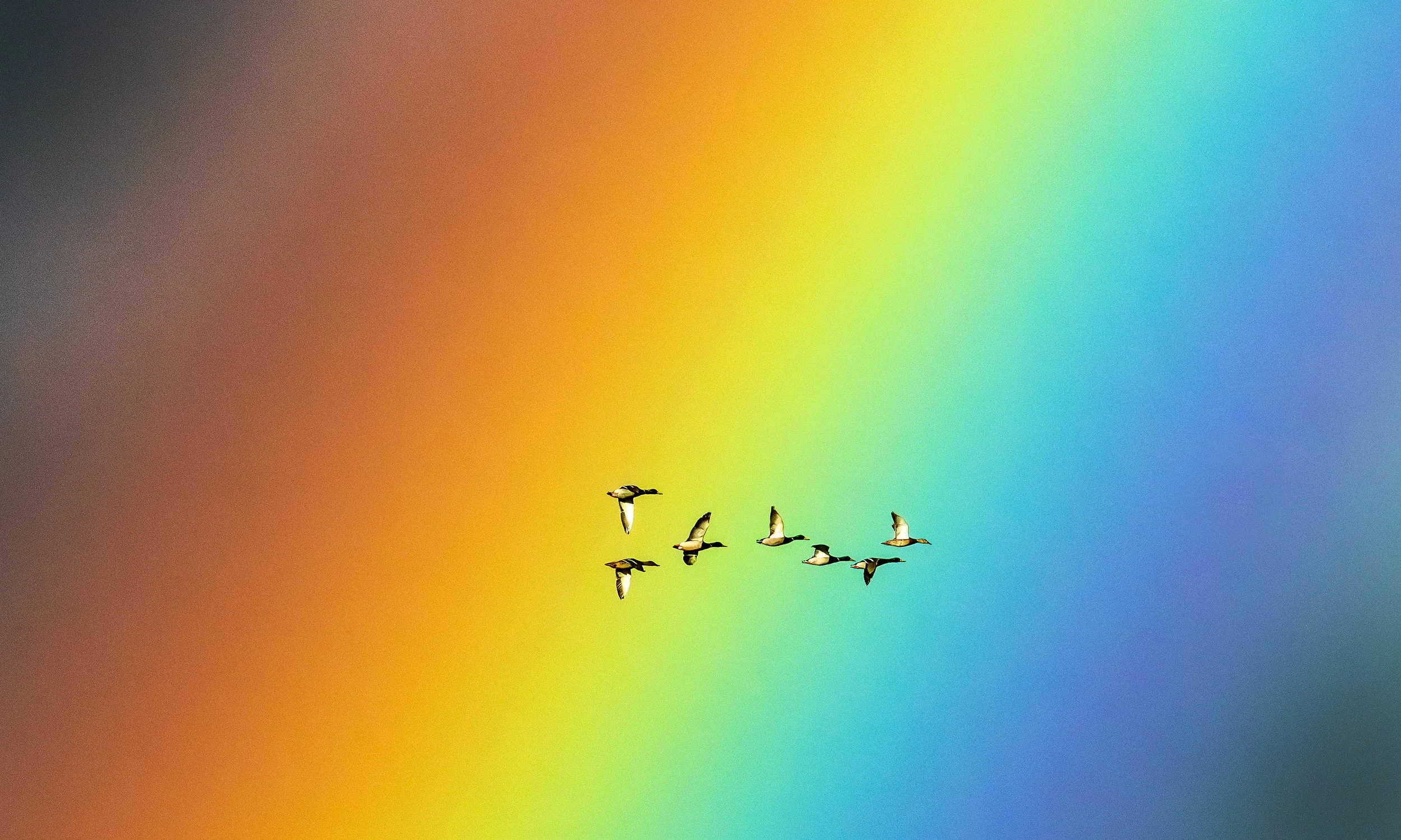
Mallard ducks fly through the air as a rainbow forms over the Lewiston Clarkston Valley Wednesday in Lewiston.
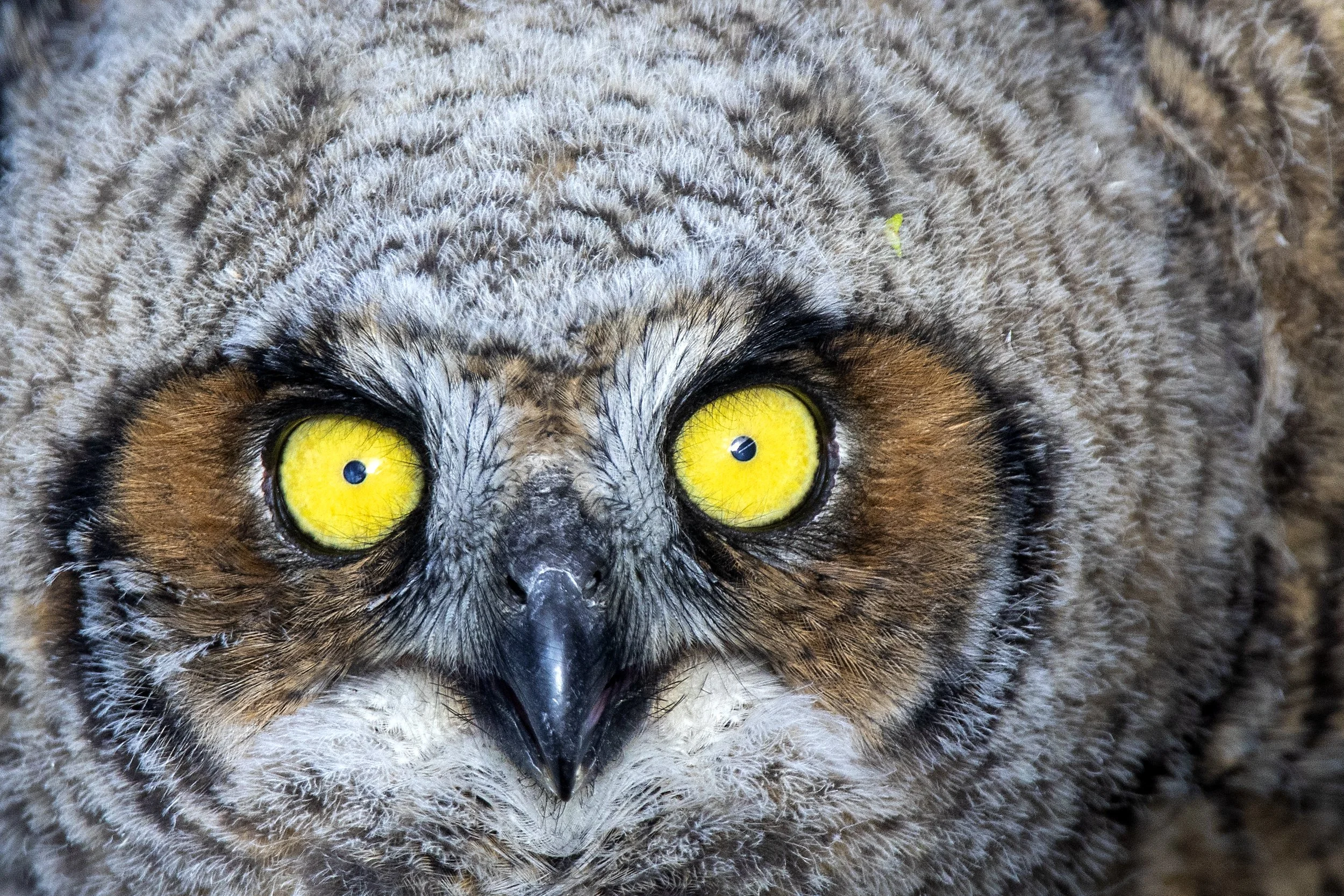
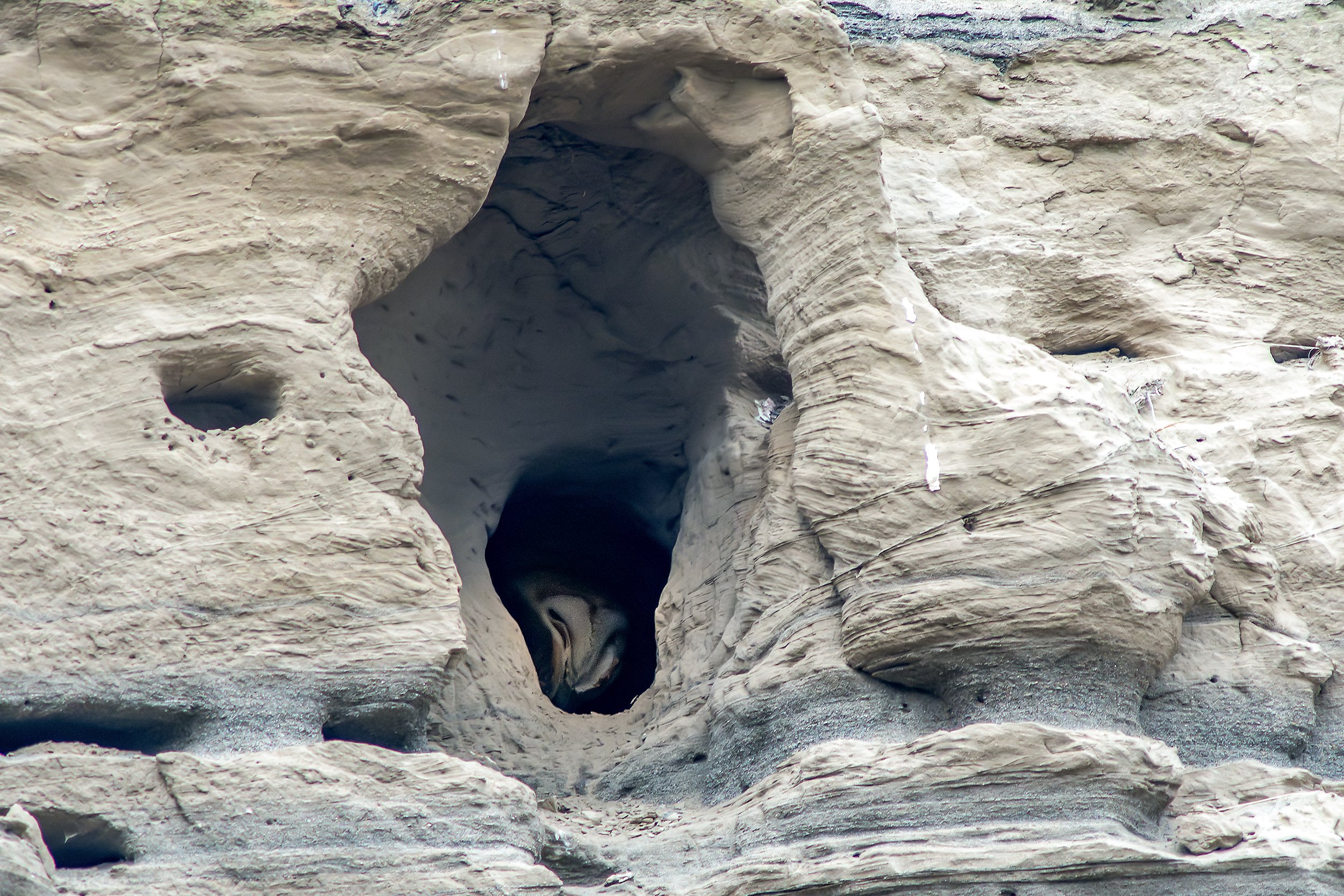
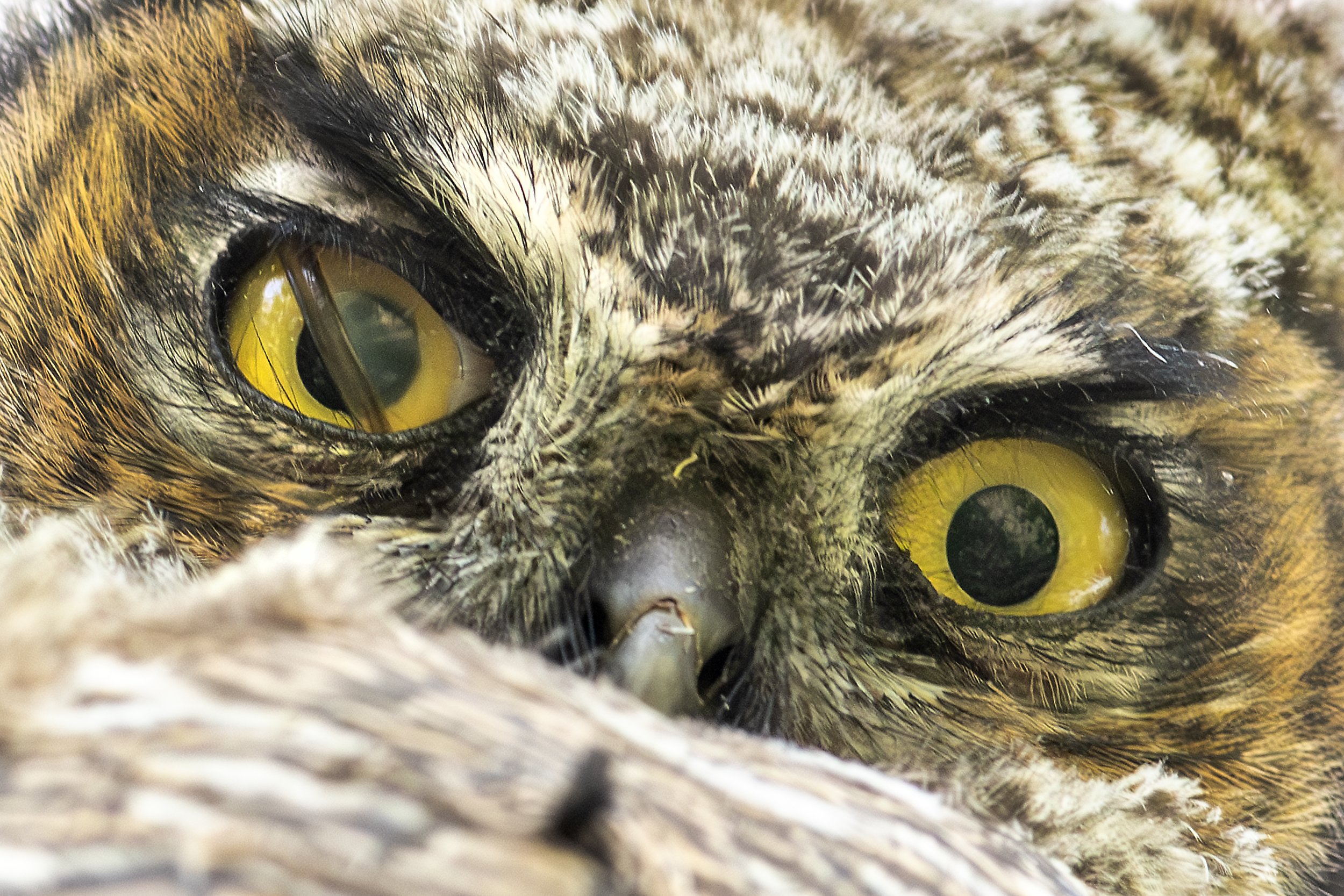
A barn owl sits in a tree in Lewiston, Idaho.
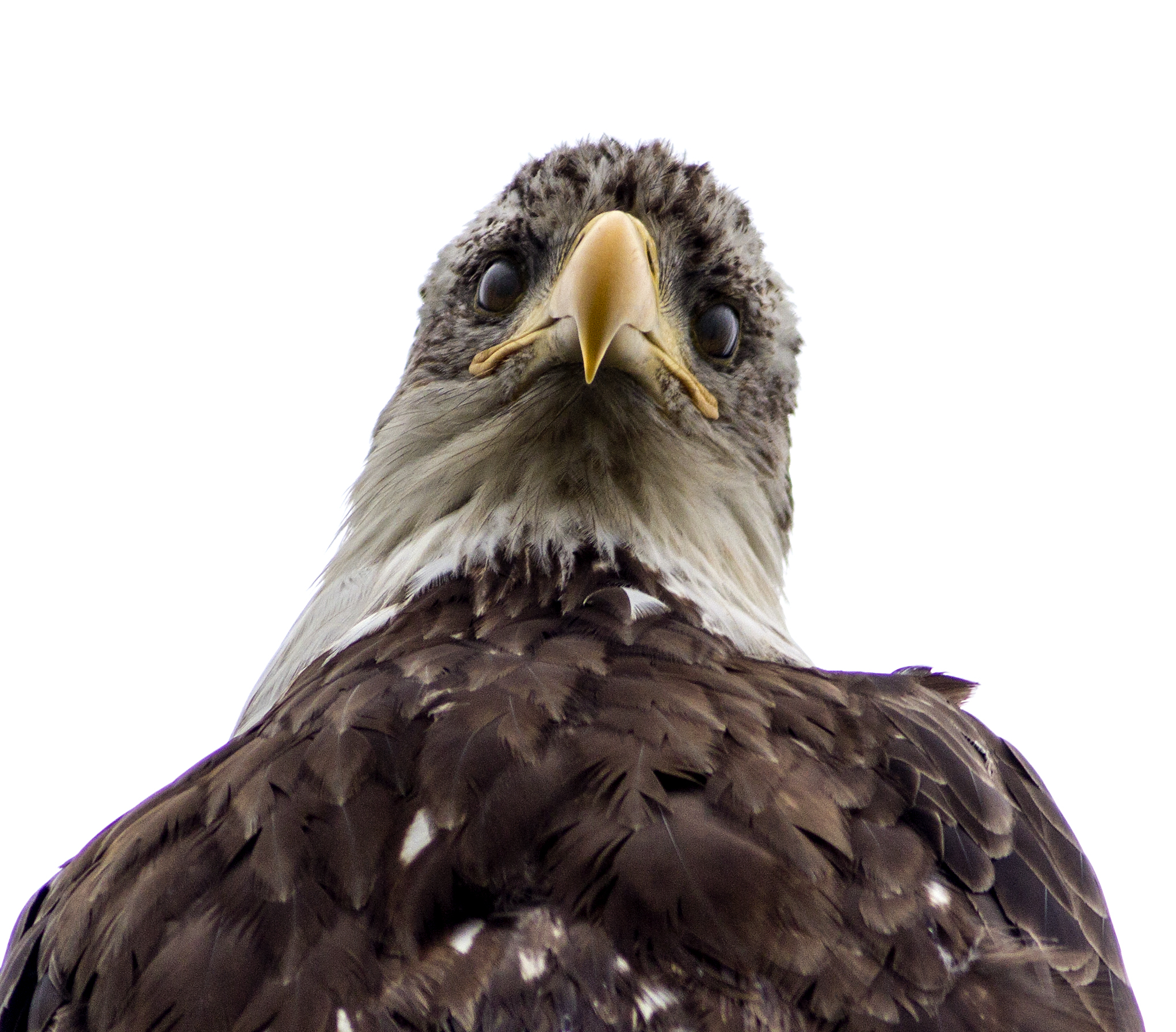
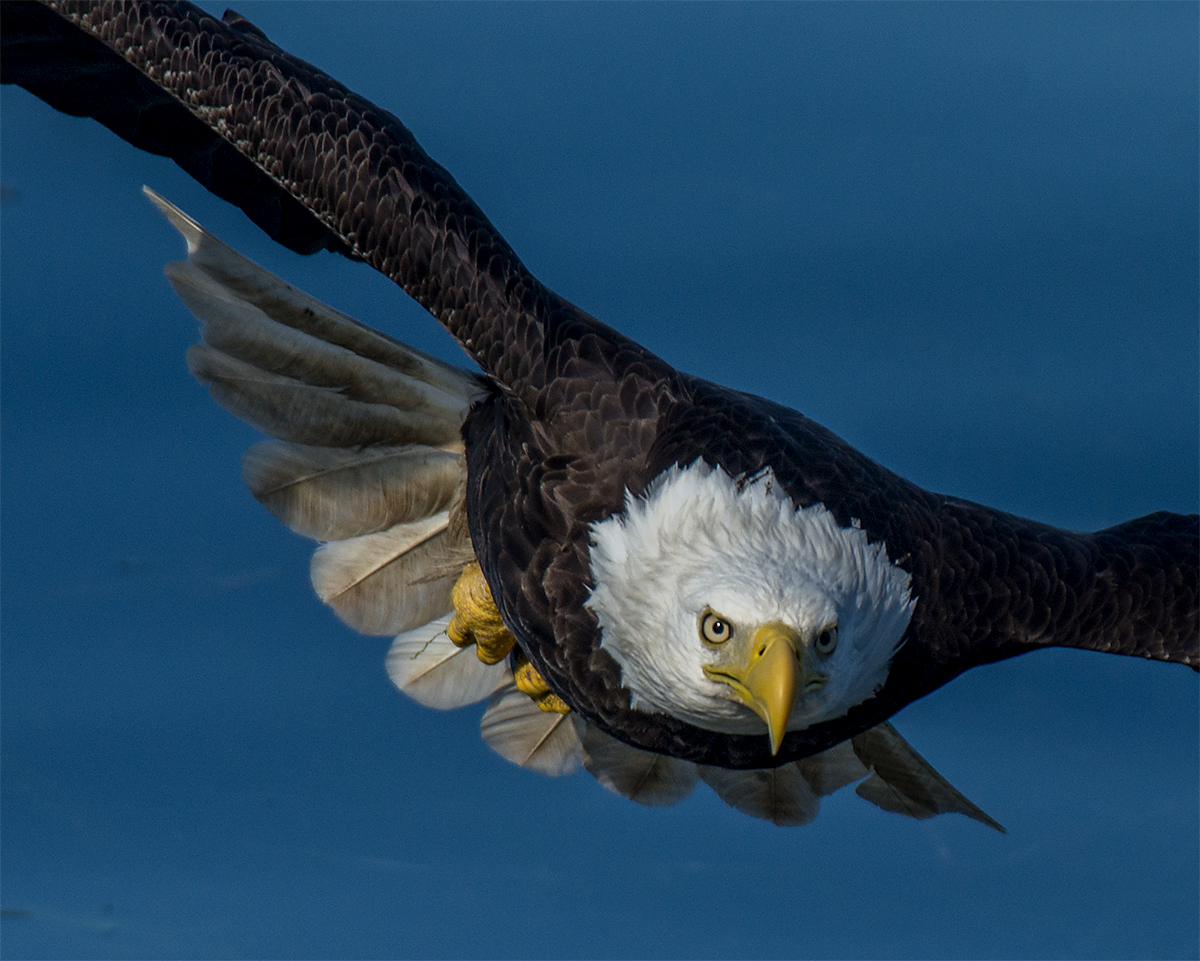
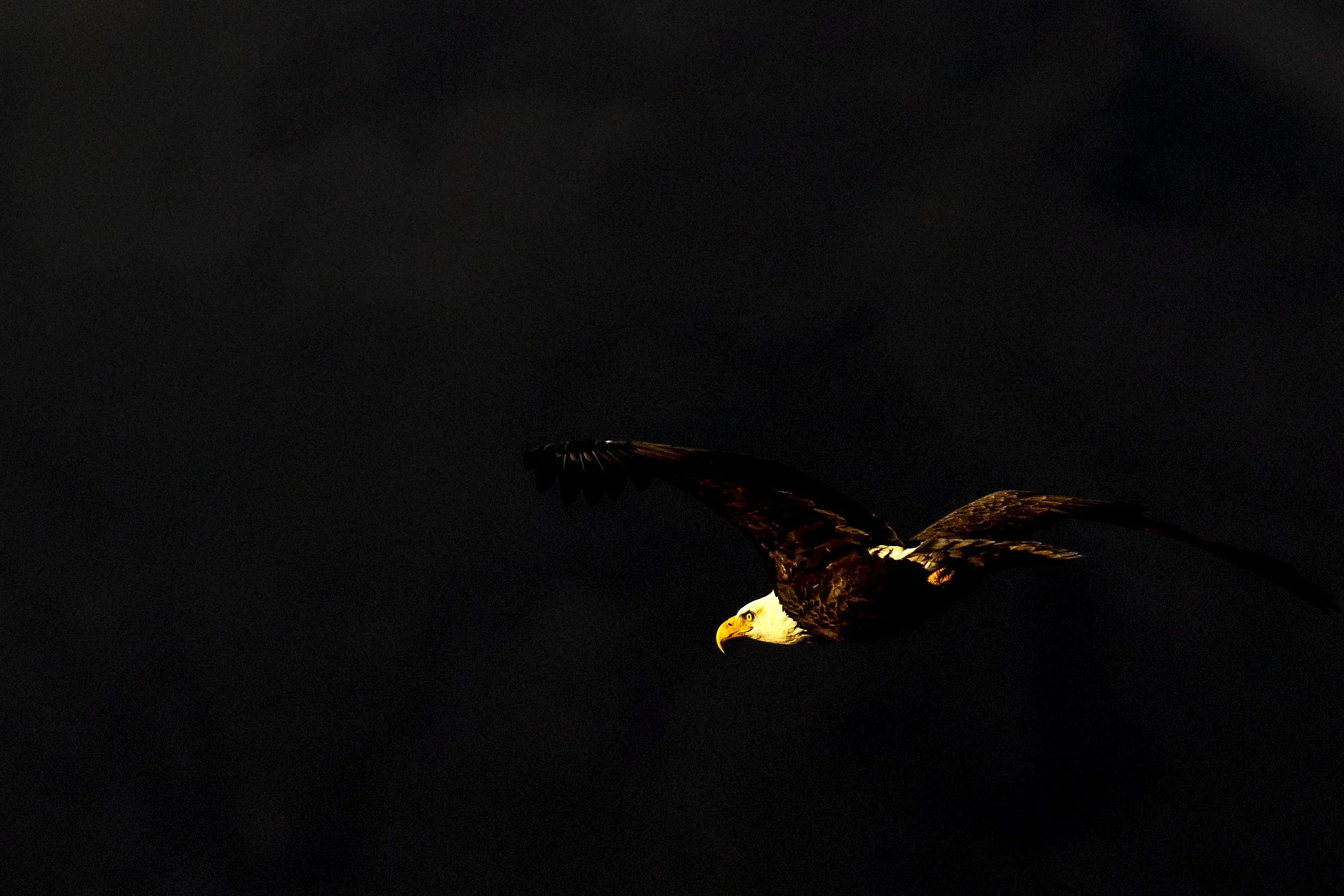
The American Bald Eagle's eyes are yellow in color. The eagle however has a second eyelid called the nictitating membrane. The membrane will slide across the eagle's eye ever three or four seconds, helping to remove dust and debris from eyes. The eagle is able to see through the membrane due to it's translucence ensuring the eagle keeps it's vision sharp in flight.
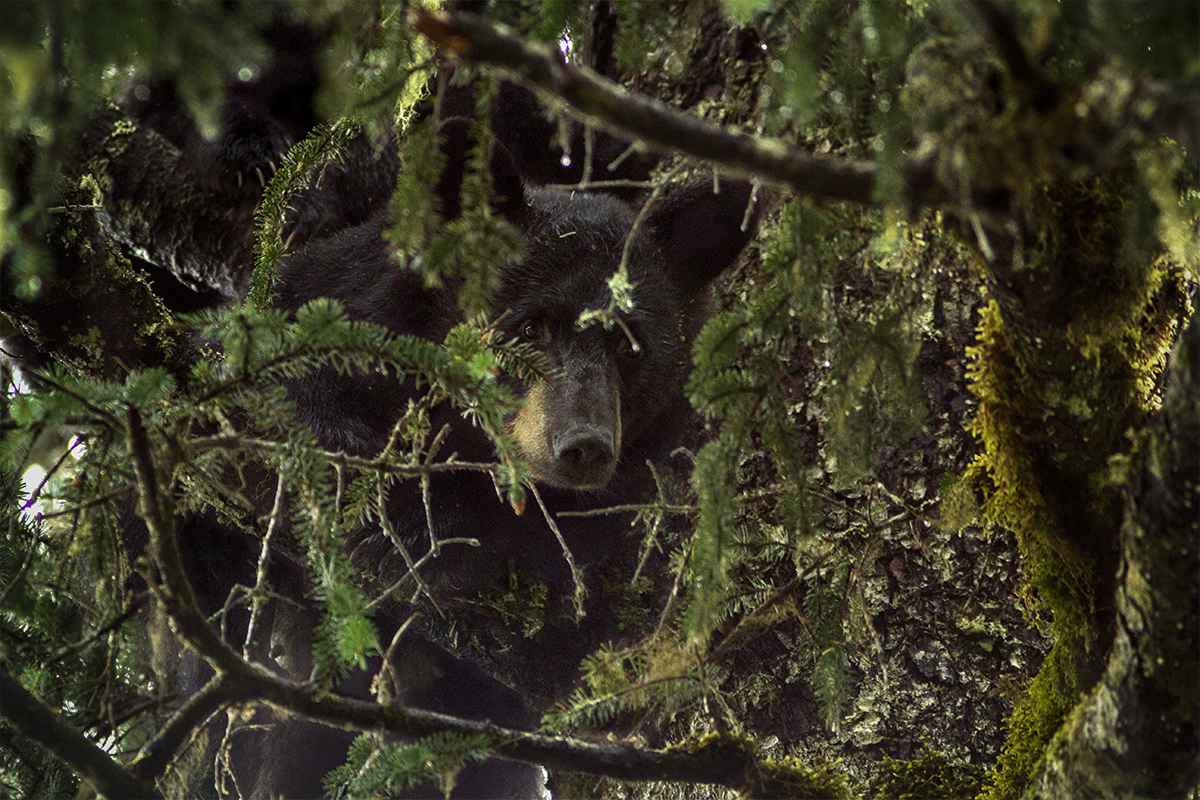
A mother black bear rests in a tree with her two cubs nearby. A black bear has excellent balance and will climb a tree for safety, to get to beehives, to survey the area, or to nap.
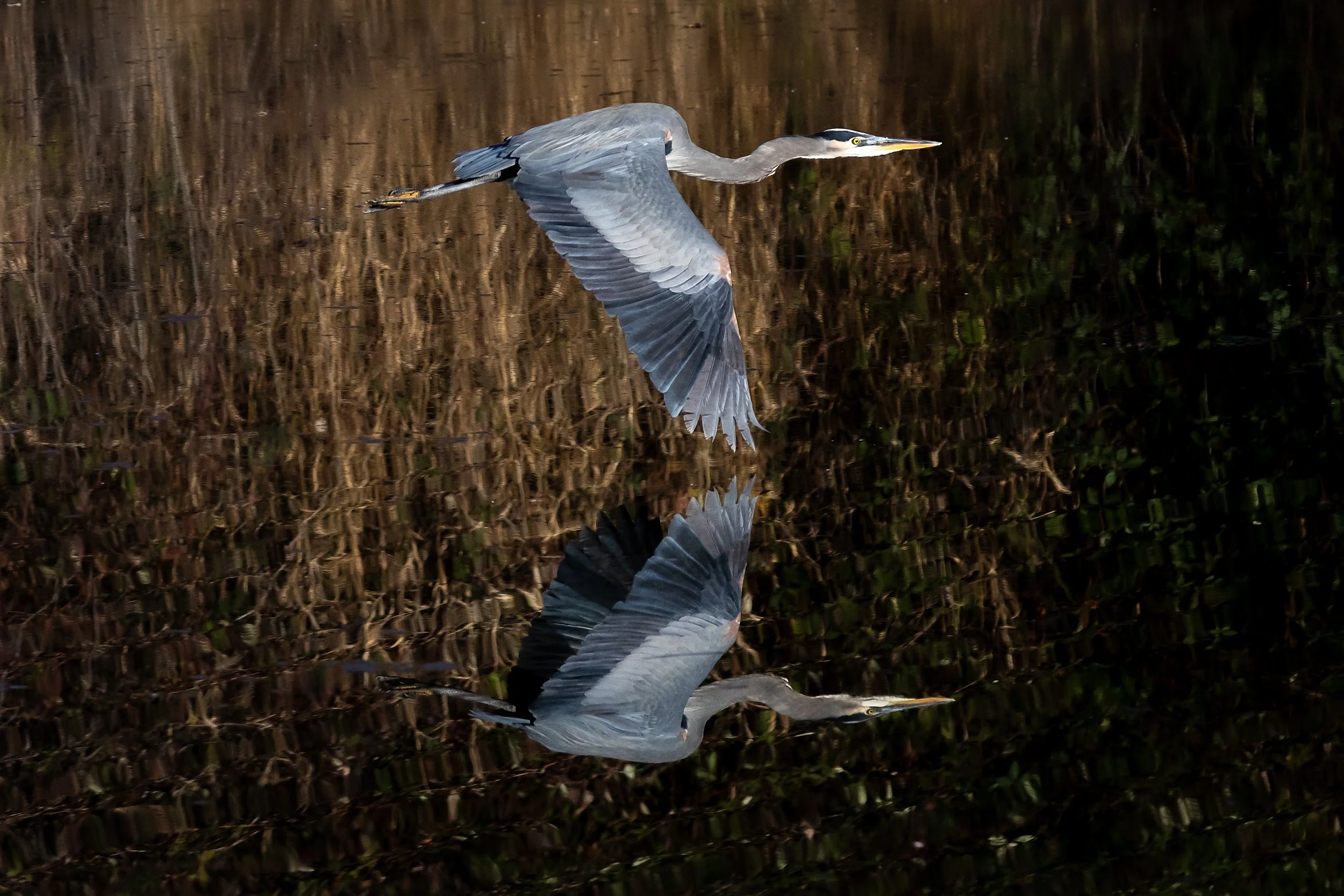
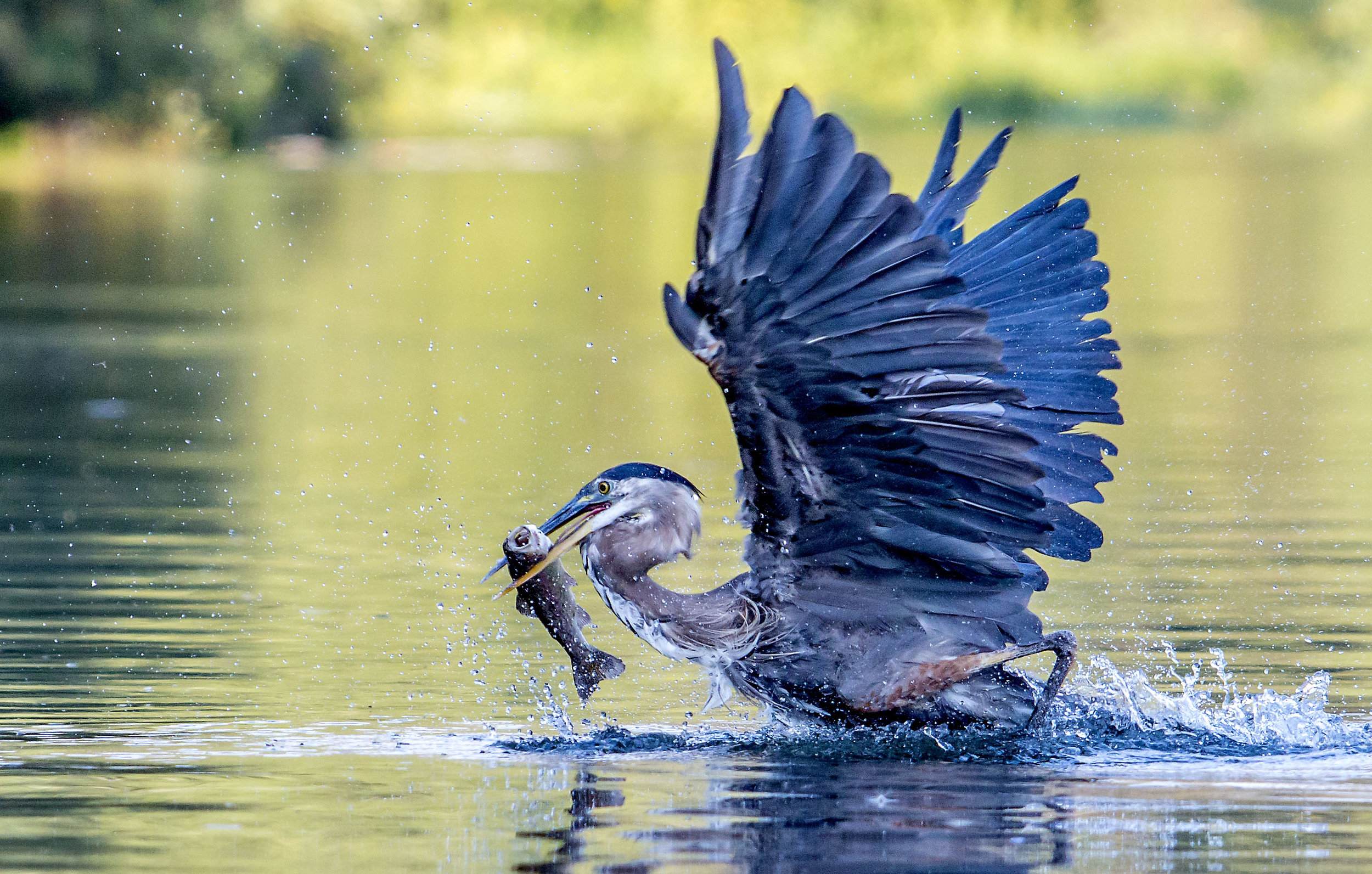
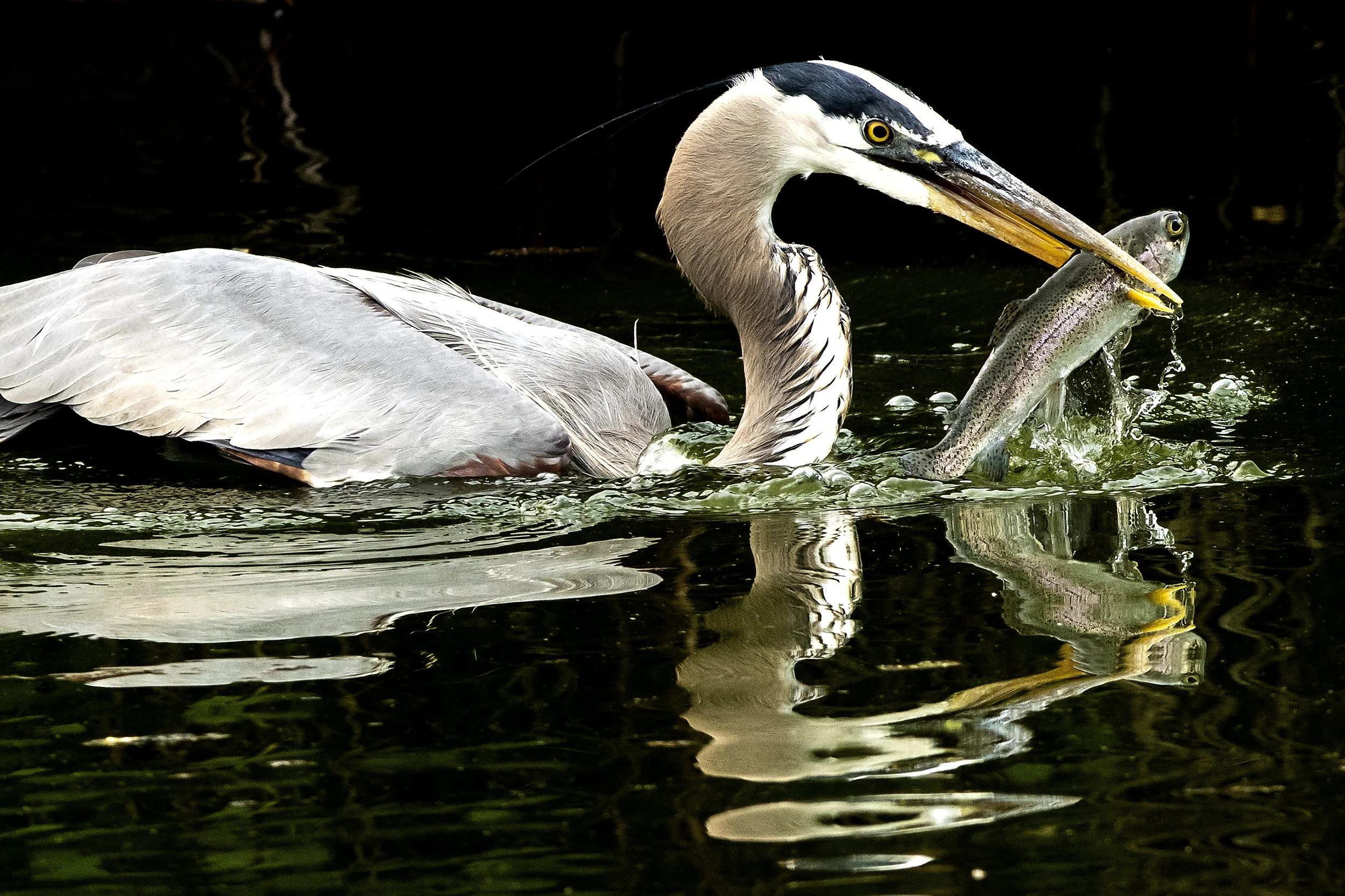
A great blue heron breaks the surface of the Willamette River near the Alton Baker Park duck ponds in Eugene. The usually still stalkers can be found along the banks of the Willamette, Amazon Creek, and Delta Ponds feeding on fish, amphibians, reptiles, invertebrates, small mammals and other birds.
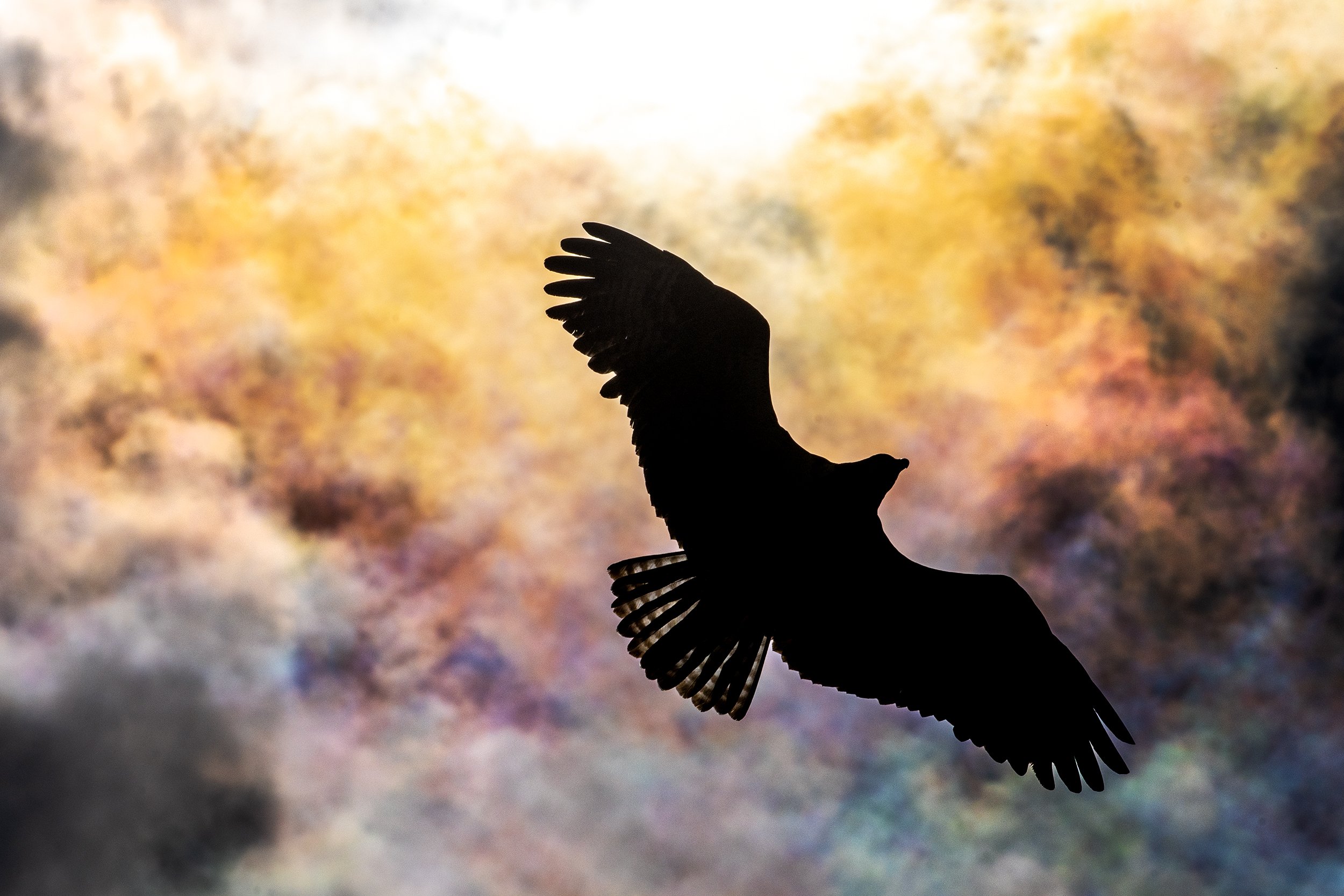
An eagle sets it's sights on a landing point nearby the fish cleaning station in Cordova Alaska. The eagle can reach speeds of up to 40 mph while cruising and 100 mph in a dive.
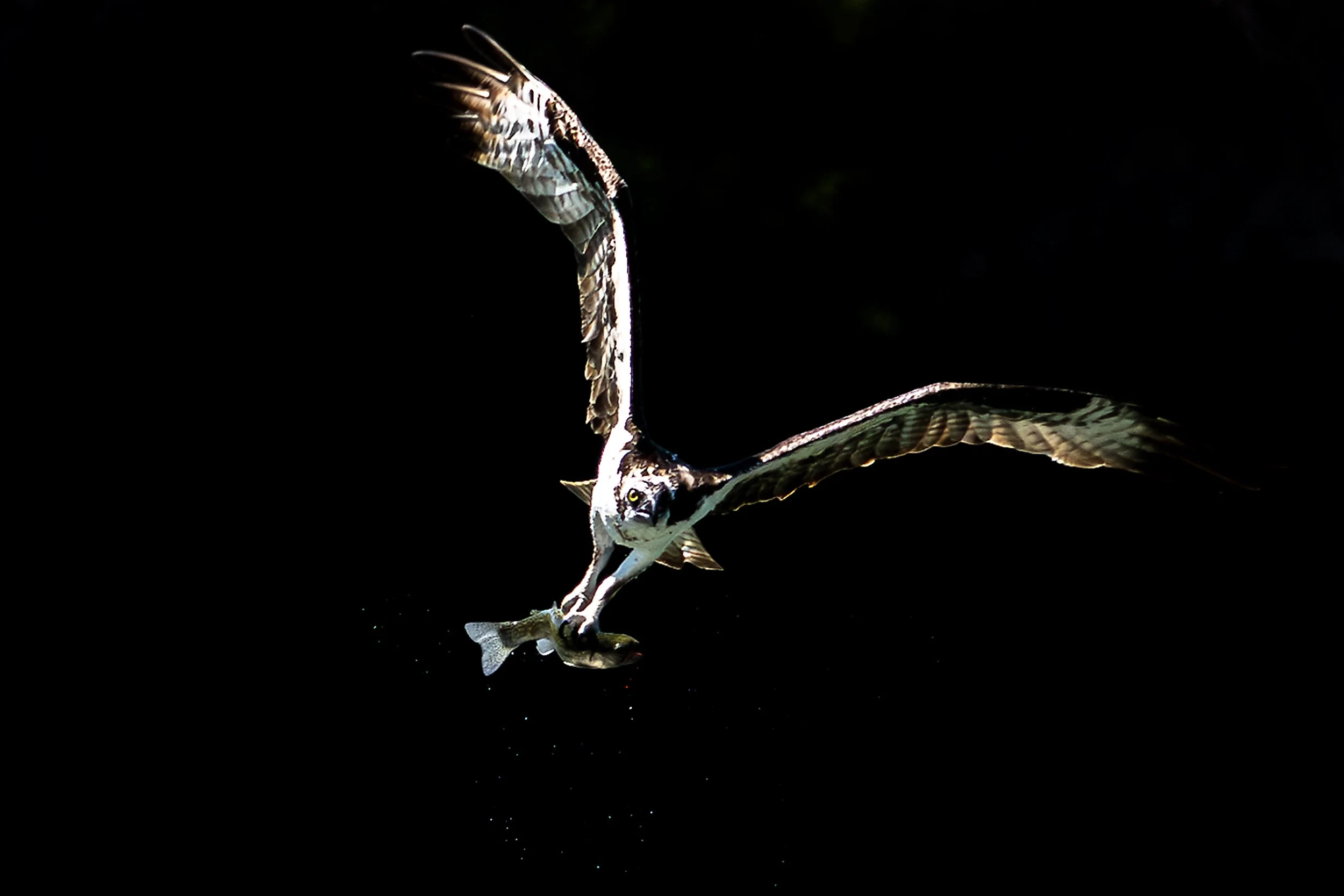
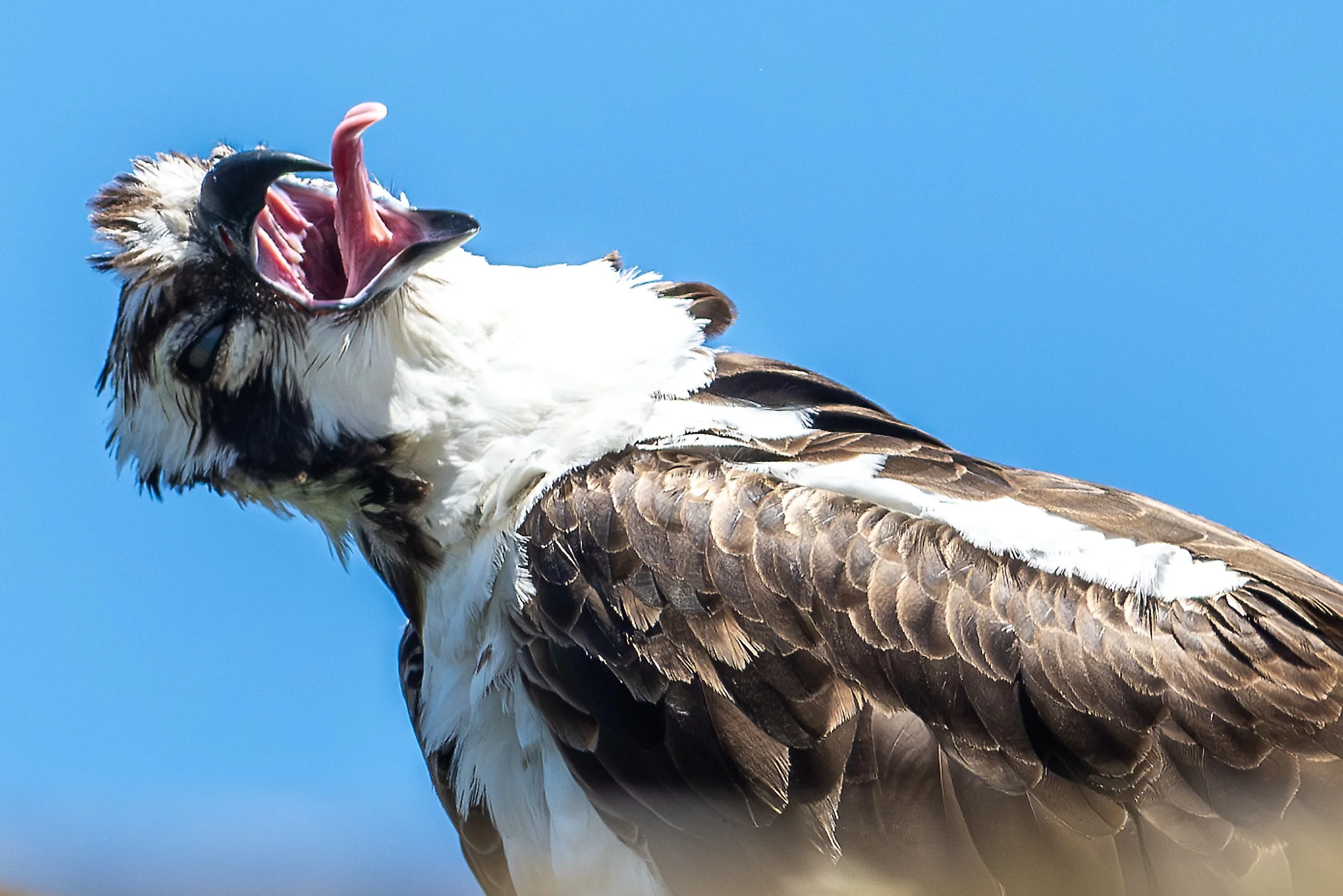
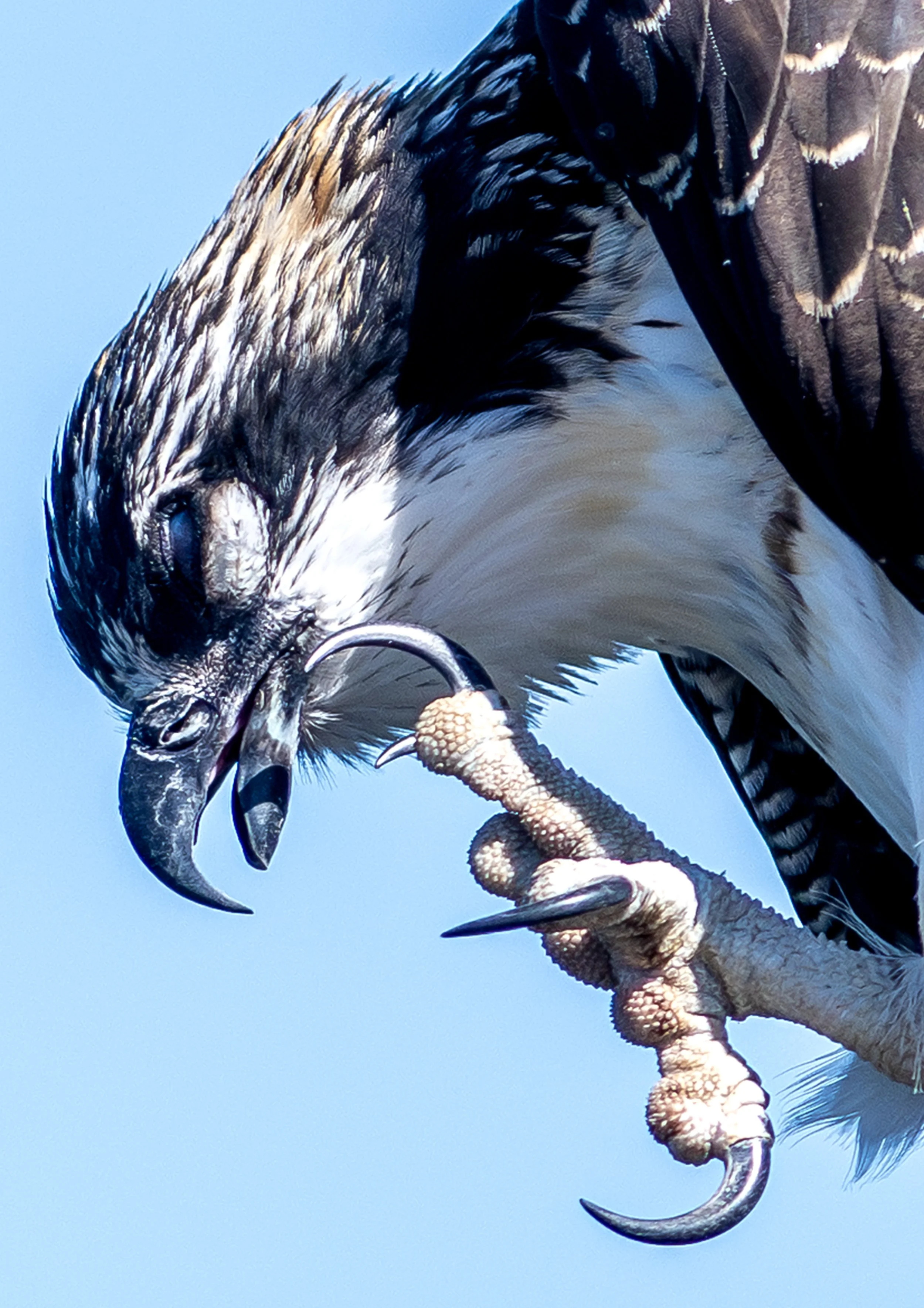
An osprey shakes its head around while sitting on a treetop looking over West Evans Ponds in Clarkston.
A northern saw-whet owl snoozes the day away Wednesday in a tree in Lewiston. The nocturnal species is one of the smallest owls in the world and will species their days camouflaged within the foliage of trees. The owls can detect prey with great accuracy due to their asymmetrical ears with the right being located high and facing upward and left being low and facing down. Along with boreal owls, the saw-whet have the most asymmetrical ears of all owls.
This gallery is dedicated to the wildlife I have come across, from my hometown of Eugene, Ore., to the river banks of the Orca Inlet in Cordova, Alaska.